Compare Local Contractors for Block Retaining Wall Installation
Compare local contractors for block retaining wall installation to define project scope, verify experience, and set clear expectations in writing for a successful project.
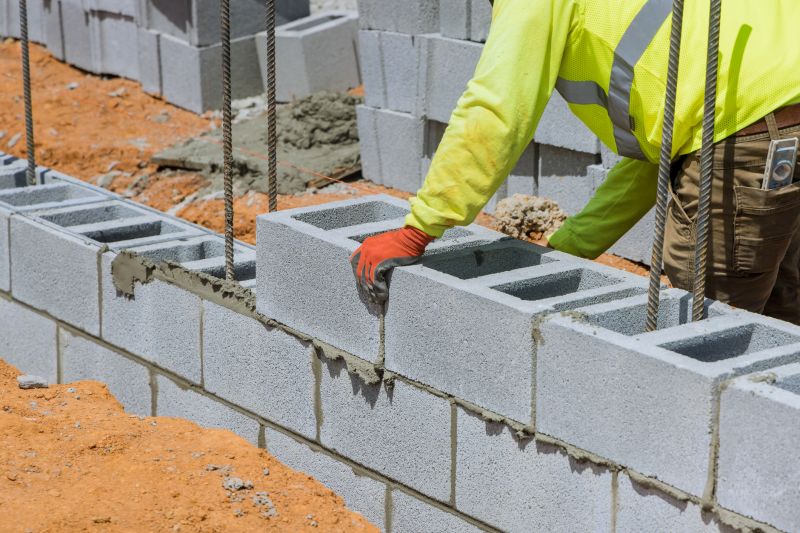
Block retaining wall installation typically involves constructing a sturdy barrier designed to hold back soil, prevent erosion, and define landscape features. This work often includes site assessment, excavation, foundation preparation, and the precise placement of concrete or stone blocks to ensure stability and durability. Depending on the property's terrain and the desired aesthetic, contractors may incorporate additional elements such as drainage systems, decorative finishes, or integrated seating areas. Clarifying the scope of work helps property owners understand what is included, whether it involves only the wall's construction or additional landscaping components, ensuring the project aligns with specific needs and expectations.
Defining the scope of a block retaining wall project is essential for effective planning and communication. It involves identifying the size, height, and design of the wall, as well as any supporting features like drainage or finishes. A well-outlined scope helps property owners and contractors establish a clear understanding of the work involved, which can prevent misunderstandings and scope creep. When discussing a project, it’s important to verify the experience of service providers with similar installations, review their previous work, and ensure they understand the property's unique conditions. Having detailed, written agreements about the scope of work can serve as a reference throughout the project, promoting transparency and accountability.
Property owners seeking to compare local contractors for block retaining wall installation should consider several practical factors. It’s advisable to review each contractor’s experience with similar projects and ask for references or examples of completed work. Comparing how contractors define and communicate the scope of work can reveal their professionalism and attention to detail. Additionally, verifying that they understand local soil conditions and landscape challenges can help ensure a successful outcome. When evaluating options, property owners should also consider how clearly each contractor’s proposal outlines the project scope and expectations, which can facilitate smoother collaboration and help select service providers best suited to the specific requirements of the property.
Compare local contractors by outlining your project priorities, verifying experience, and establishing clear written expectations.
- Compare Contractor Credentials - review the experience and reputation of local contractors to ensure quality work.
- Define Project Scope Clearly - outline specific requirements and expectations to facilitate accurate proposals.
- Verify Experience and Past Work - assess previous projects to gauge contractor expertise in block retaining wall installation.
- Document Agreements in Writing - establish clear, written contracts to set expectations and protect project interests.

Clearly describe your project scope before comparing local contractors to ensure accurate expectations and experienced service providers.
- Verify experience and expertise in block retaining wall installation to ensure quality workmanship. - Confirm that contractors have a proven track record with similar projects in the area.
- Define the scope of work clearly in writing to set expectations for materials, design, and construction methods. - Ensure all project details are documented to prevent misunderstandings.
- Assess the contractor’s knowledge of proper foundation and drainage requirements for retaining walls. - Look for understanding of essential structural elements to ensure durability.
- Check references or reviews to gauge the reliability and professionalism of local contractors. - Gather feedback from previous clients to evaluate service quality.
- Ensure that the scope includes site preparation, excavation, and backfilling procedures. - Confirm that all necessary steps are covered for a complete installation process.
- Compare multiple service providers to evaluate their experience, scope, and communication before making a decision. - Use consistent criteria to identify the most suitable contractor for the project.
Compare local contractors’ experience and clarify project scope to ensure clear, written expectations.


This scope builder helps you compare local contractors, define project details, verify experience, and set clear expectations.
- Define project scope - clearly outline the size, design, and materials for the block retaining wall.
- Verify experience - ensure service providers have relevant experience with similar retaining wall projects.
- Assess qualifications - confirm the contractors’ knowledge of proper installation techniques and local building codes.
- Establish expectations in writing - document the scope, materials, and responsibilities to prevent misunderstandings.
- Compare service providers - evaluate local contractors based on expertise, reputation, and scope understanding.
When comparing contractors for block retaining wall installation, it is important to evaluate their experience with similar projects. Homeowners should inquire about the types of retaining walls they have built in the past, paying attention to the size, design complexity, and site conditions involved. Contractors with a history of successful projects in comparable environments are more likely to understand the unique challenges and requirements associated with the work. Confirming their familiarity with different block types, drainage considerations, and soil conditions can help ensure the chosen service provider has relevant hands-on experience.
A clear, written scope of work is essential for setting expectations and avoiding misunderstandings. Homeowners should seek detailed descriptions of the tasks involved, including site preparation, wall construction, backfilling, and finishing touches. A well-defined scope helps both parties understand what is included in the project and provides a basis for evaluating the completeness of the proposed plan. It also serves as a reference point for any future discussions or clarifications, ensuring that everyone is aligned on the project’s objectives and deliverables.
Verification of a contractor’s basic qualifications involves checking their approach to project planning and adherence to industry standards. Homeowners can ask how the contractor plans to assess site conditions, handle potential issues, and ensure the stability of the wall. Requesting references or examples of completed projects can provide insight into their practical experience and reliability. Additionally, understanding how a service provider manages unforeseen complications and communicates throughout the process can help gauge their professionalism and readiness to deliver quality results.
When evaluating options among local contractors, it is helpful to compare how each approaches the project scope, experience, and communication. Homeowners should consider the level of detail provided in proposals, the clarity of the scope, and the contractor’s ability to articulate their process. Asking questions about their previous work, methods, and how they plan to address specific site conditions can reveal their expertise and suitability. Focusing on these factors allows for an informed decision based on the contractor’s qualifications and approach, rather than price alone, leading to a more confident selection process.
Ask contractors to provide written scope details to ensure clear expectations and consistent project understanding.
- Experience and Qualifications - What specific experience do local contractors have with block retaining wall installation?
- Scope of Work - How do contractors define and clarify the scope of the retaining wall project before starting?
- Materials and Techniques - What materials and construction methods do service providers recommend for your specific site conditions?
- Project Expectations - How do local contractors outline the project scope, deliverables, and responsibilities in writing?
- Comparison Criteria - What criteria should be used to compare and evaluate different contractors’ approaches and expertise?
How can I compare contractors for block retaining wall installation? To compare local contractors, review their experience with similar projects, ask for references, and verify their reputation through reviews or ratings to find the best fit for the scope of the work.
What should I clarify when defining the scope of my retaining wall project? Clearly outline the size, materials, design preferences, and any specific site considerations to ensure contractors understand the full scope and can provide accurate proposals.
How do I verify a contractor’s experience with retaining wall installation? Request details about their previous projects, ask for examples or references, and confirm their familiarity with the type of wall you want to build to assess their expertise.
What is the importance of having the project scope in writing? Having a detailed scope in writing helps set clear expectations, reduces misunderstandings, and provides a reference for the work to be performed, ensuring both parties agree on the project details.
How can I ensure a contractor understands my design preferences and requirements? Communicate your ideas clearly, provide sketches or examples if possible, and confirm that the contractor has a shared understanding before proceeding with work.
Why is it important to verify a contractor’s experience before hiring? Verifying experience helps ensure the contractor has successfully completed similar projects, which can contribute to the quality and durability of the retaining wall.
In summary, visitors have learned how to effectively compare contractors for block retaining wall installation by understanding the importance of defining the project scope, verifying experience, and setting clear expectations in writing. This approach helps ensure that choices are well-informed and aligned with specific needs, making the selection process more straightforward. Using the quote form provides an easy way to connect with trusted local service providers who can handle the job.
Taking the next step involves using the quote form to explore options and gather information from nearby contractors. This process allows for side-by-side comparisons, helping to identify the best fit for the project. Engaging with local service providers through this method supports making informed decisions tailored to individual requirements.